Telangana 10+2 Education System 2027–28 – Intermediate Colleges to Be Replaced?
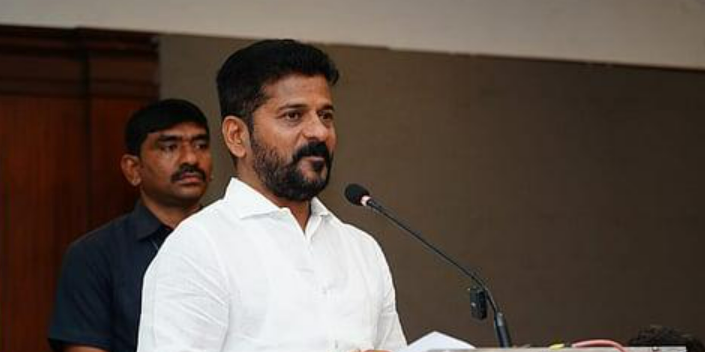
The Telangana government has announced a major proposed change to the state’s school and intermediate education structure. Chief Minister A. Revanth Reddy has directed officials to prepare for the introduction of a 10+2 school education system from the 2027–28 academic year.
Under the proposed structure, students would study Classes 11 and 12 within the school education framework instead of continuing through the separate Intermediate college system.
The announcement could reshape the way students move from secondary education to higher secondary education in Telangana.
What is the new 10+2 education system in Telangana?
At present, students generally complete Class 10 and then join junior colleges for Intermediate first year and second year.
Under the proposed reform, these two years would be recognised as Classes 11 and 12 within a broader school education structure.
The government has outlined three stages:
| Education stage | Proposed classes |
|---|---|
| Primary | Nursery to Class 4 |
| Secondary | Classes 5 to 8 |
| Senior secondary | Classes 9 to 12 |
The proposal aims to bring school education and higher secondary education into a more integrated structure.
When will the Telangana 10+2 system start?
The government has announced the target implementation period as the 2027–28 academic year.
This means students and parents should not assume that the existing Intermediate system has already changed for the current academic year.
The government still needs to work out the administrative and implementation arrangements required for the transition.
Will the Telangana Intermediate Board be abolished?
According to reports of the Chief Minister’s announcement, the existing Board of Intermediate Education is expected to be replaced by the new school-based senior secondary structure.
At present, the Intermediate Board administers the junior college system and examinations for Intermediate students.
The proposed reform would move Classes 11 and 12 into the senior secondary school framework.
However, students and parents should wait for formal government orders explaining the future role of the Intermediate Board, examination administration and certificates.
Why is Telangana planning this education reform?
One of the main objectives identified by the government is to reduce student dropouts after Class 10.
Some students do not continue their education after completing secondary school. The government wants to improve continuity by bringing higher secondary education into the school system.
The proposal is also intended to strengthen government schools and create a more integrated learning structure.
The government has indicated that the quality of public education and access to further learning will remain important priorities.
What will happen to existing junior colleges?
This is one of the biggest questions for students, parents and educational institutions.
Under the proposed system, Intermediate first year and second year would become Classes 11 and 12.
However, the exact process for existing junior colleges has not yet been fully clarified in the announcement.
Important issues that require official guidelines include:
- Whether existing junior colleges will be converted into senior secondary schools.
- Whether schools will be permitted to add Classes 11 and 12.
- What infrastructure and classroom facilities will be required.
- How lecturers and teachers will be appointed or reassigned.
- How existing Intermediate examinations and certificates will be managed.
The transition will require careful planning because many schools and junior colleges currently operate under different administrative arrangements.
Will the syllabus and examinations change?
The announcement does not provide a complete new syllabus or examination framework.
Students should not assume that the current Intermediate syllabus, public examination pattern or subject combinations will immediately change.
The government and education authorities will need to issue detailed guidelines covering curriculum, assessment, examinations and academic administration.
Until those instructions are published, students should continue following the officially prescribed curriculum for their current academic year.
What should students and parents do now?
Students currently studying Classes 9, 10, Intermediate first year or Intermediate second year should continue their education under the existing official academic arrangements.
Parents should avoid making school or college admission decisions based only on social media messages.
They should follow official announcements from the Telangana School Education Department and relevant examination authorities.
Frequently Asked Questions
1. When will Telangana introduce the 10+2 system?
The proposed implementation is from the 2027–28 academic year.
2. Will Intermediate colleges be removed in Telangana?
The government has announced plans to replace the separate Intermediate system with Classes 11 and 12 under the school education structure. The detailed transition arrangements are still awaited.
3. Will Intermediate first year become Class 11?
Under the proposed system, Intermediate first year would be treated as Class 11.
4. Will Intermediate second year become Class 12?
Yes. Under the proposed structure, Intermediate second year would be treated as Class 12.
5. Will the syllabus change?
The complete syllabus and examination guidelines have not yet been announced as part of the reported decision.
6. Should current Intermediate students change colleges?
No immediate change should be assumed. Students should follow the existing official academic instructions until formal transition guidelines are issued.
Conclusion
The proposed 10+2 education reform could bring a major change to Telangana’s education system from 2027–28. Integrating Classes 11 and 12 into schools may improve continuity after Class 10, but its success will depend on infrastructure, teachers, curriculum planning and clear examination guidelines.
Students, parents and college managements should follow official government updates before making decisions based on the proposed reform.