India’s Retail Inflation Rises to 6.09% in October 2026 – Food Inflation Reaches 8.94%
India’s retail inflation increased to 6.09% in October 2026, moving above the Reserve Bank of India’s upper tolerance level of 6%.
The latest Consumer Price Index (CPI) figures were released by the Ministry of Statistics and Programme Implementation (MoSPI) on November 12.
Food inflation also increased sharply to 8.94%, compared with 7.74% in September. The latest figures indicate that rising food prices are putting additional pressure on household budgets.
What is India’s retail inflation rate in October 2026?
According to the provisional government data, India’s combined retail inflation rate increased from 5.54% in September to 6.09% in October 2026.
The latest figures are:
| Inflation indicator | September 2026 | October 2026 |
|---|---|---|
| Overall retail inflation | 5.54% | 6.09% |
| Food inflation | 7.74% | 8.94% |
| Rural retail inflation | 6.08% | 6.63% |
| Urban retail inflation | 4.88% | 5.41% |
The figures show that inflation increased in both rural and urban areas.
Rural inflation remained higher than urban inflation in October.
Why has food inflation increased?
Food prices were an important contributor to the increase in the October inflation reading.
The MoSPI report identified several food and household items that recorded high year-on-year inflation.
Among the major items:
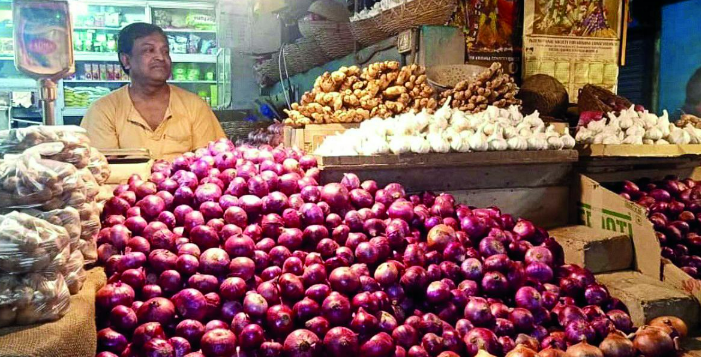
- Onion inflation reached 116.22%.
- Garlic inflation reached 60.74%.
- Ginger inflation reached 48.32%.
- Lemon inflation reached 47.30%.
These figures represent year-on-year price changes under the CPI calculation. They do not mean that the price of every individual item increased by the same amount in every local market.
The report also showed that some vegetables, including potatoes, cauliflower and cabbage, recorded negative inflation.
This demonstrates that price movements can differ considerably between individual food products.
What does the RBI’s 6% upper limit mean?
The Reserve Bank of India follows a flexible inflation-targeting framework.
The medium-term inflation target is 4%, with a tolerance band of 2% on either side. This means the permitted range is 2% to 6%.
October’s retail inflation reading of 6.09% moved slightly above the upper tolerance level.
This is important because sustained inflation can reduce household purchasing power and create challenges for monetary policy.
However, one monthly inflation reading does not automatically mean that the RBI will immediately increase interest rates.
The central bank considers a wider range of economic indicators before making policy decisions.
How could rising inflation affect ordinary households?
Inflation affects people differently depending on their spending patterns.
Families that spend a large portion of their monthly income on groceries may feel the impact of higher food prices more directly.
Possible effects include:
- Higher monthly grocery expenses.
- Increased household food budgets.
- Pressure on small restaurants and food businesses.
- Higher operating expenses for businesses that use food ingredients.
- Reduced purchasing power if income does not rise at the same pace.
For households, tracking recurring expenses and comparing prices across retailers can help manage budgets during periods of rising prices.
Will the RBI increase interest rates?
The latest inflation reading has increased attention on the RBI’s future monetary policy decisions.
Market participants and economists may reassess expectations for interest rates when inflation moves above the upper tolerance level.
However, the October CPI release does not itself announce an RBI rate increase.
The central bank will need to evaluate inflation trends, economic growth, liquidity, employment and other financial conditions before deciding its next policy action.
Frequently Asked Questions
1. What is India’s retail inflation rate in October 2026?
India’s provisional retail inflation rate was 6.09% in October 2026.
2. What was food inflation in October 2026?
Food inflation increased to 8.94%, compared with 7.74% in September.
3. Has inflation crossed the RBI’s upper limit?
Yes. The October reading of 6.09% was above the RBI’s upper tolerance level of 6%.
4. Which food items recorded high inflation?
Onion, garlic, ginger and lemon recorded particularly high year-on-year inflation in the October CPI release.
5. Is rural inflation higher than urban inflation?
Yes. October’s provisional figures showed rural inflation at 6.63% and urban inflation at 5.41%.
6. Will the RBI increase interest rates because of inflation?
An increase is not automatic. The RBI considers several economic indicators before making monetary policy decisions.
7. Who released the October 2026 CPI figures?
The Ministry of Statistics and Programme Implementation released the figures through the National Statistics Office.
Conclusion
India’s retail inflation increased to 6.09% in October 2026, while food inflation reached 8.94%.
The latest figures highlight the pressure that higher food prices can place on household budgets. The coming inflation readings and the RBI’s monetary policy decisions will be important indicators for consumers, businesses and investors.