Hyderabad Mobile EMI Case – Consumer Commission Orders ₹1.14 Lakh Compensation
A Hyderabad consumer commission has directed an electronics retailer to pay ₹1,14,698 to a customer who paid monthly instalments for a mobile phone but did not receive the handset, according to a report published on November 15, 2026.
The District Consumer Disputes Redressal Commission ordered the retailer to refund the phone’s cost, pay compensation for mental harassment and cover litigation expenses.
The order also requires the retailer to ensure that the customer’s loan account is fully closed.
What happened in the mobile phone EMI case?
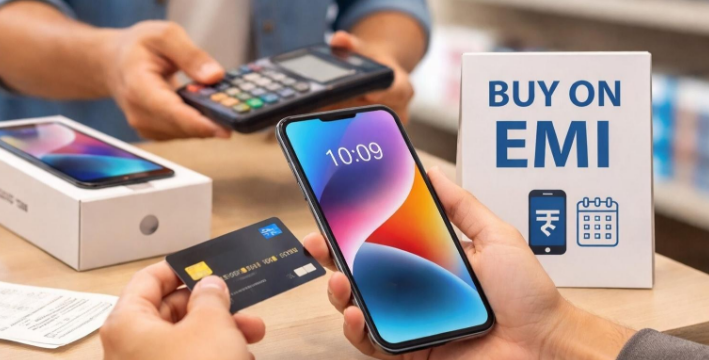
The dispute reportedly began in March 2024, when a 34-year-old Hyderabad resident approached an electronics store to purchase a mobile phone through a zero-interest EMI scheme.
After submitting the required documents, he was informed that the phone would be available after approval from the finance company.
According to his complaint, a store executive later requested an OTP to process the dispatch. The customer shared the OTP, but the handset was allegedly never delivered.
Meanwhile, the EMI deductions began.
A monthly instalment of ₹4,204 was reportedly deducted from his bank account from April 3, 2024. The customer said that repeated requests for delivery or a refund did not resolve the issue.
How much compensation did the consumer commission order?
The commission directed the retailer to pay:
| Compensation component | Amount |
|---|---|
| Mobile phone cost refund | ₹74,698 |
| Compensation for mental agony | ₹30,000 |
| Litigation expenses | ₹10,000 |
| Total | ₹1,14,698 |
The retailer was also directed to ensure complete closure of the customer’s loan account.
Why did the commission rule against the retailer?
The retailer reportedly argued that the customer had received the phone and disputed the allegations.
However, the commission found that the retailer had not produced sufficient documentary evidence to establish delivery.
The reported order highlighted the absence of basic records such as a stock register entry, gate pass or signed delivery acknowledgement.
The retailer’s allegations of a wider arrangement involving resale of electronic goods were also not supported by sufficient evidence, according to the report.
Important OTP safety tips for mobile phone buyers
This case highlights why customers should be careful when purchasing electronic products through EMI schemes.
Follow these precautions:
- Never share an OTP unless you understand the exact transaction it authorises.
- Ask the retailer to explain why an OTP is required.
- Do not confirm delivery before physically receiving the product.
- Collect a proper invoice and payment confirmation.
- Keep EMI schedules and bank statements.
- Ask for a written delivery acknowledgement.
- Raise a written complaint immediately if the product is not delivered.
An OTP is not simply a routine number. Depending on the transaction, it may authorise a financial or account-related action.
What can customers do if a product is not delivered?
Customers should first raise a written complaint with the retailer and the finance company. They should preserve invoices, messages, bank statements and other transaction records.
If the issue remains unresolved, they can seek assistance through the National Consumer Helpline or approach the appropriate consumer commission.
National Consumer Helpline: 1915
Official website: https://consumerhelpline.gov.in/
Frequently Asked Questions
1. How much compensation was ordered in the Hyderabad mobile EMI case?
The reported total order was ₹1,14,698, including the refund, compensation and litigation expenses.
2. How much was the mobile phone’s cost?
The phone’s reported cost was ₹74,698.
3. What was the monthly EMI?
The customer reportedly paid ₹4,204 per month.
4. Why did the consumer commission order a refund?
The retailer failed to establish that the handset had been delivered, according to the reported commission findings.
5. Where can consumers complain about online or retail shopping problems?
Consumers can contact the National Consumer Helpline at 1915 or visit consumerhelpline.gov.in.
Conclusion
The Hyderabad case is a reminder that customers should keep proper transaction records when buying expensive products through EMI schemes. Retailers must also maintain clear delivery documentation. A payment confirmation alone should not replace proof that the customer actually received the product.