US Waiver on Russia Sanctions Could Ease India’s Oil Concerns and Boost Trade Talks
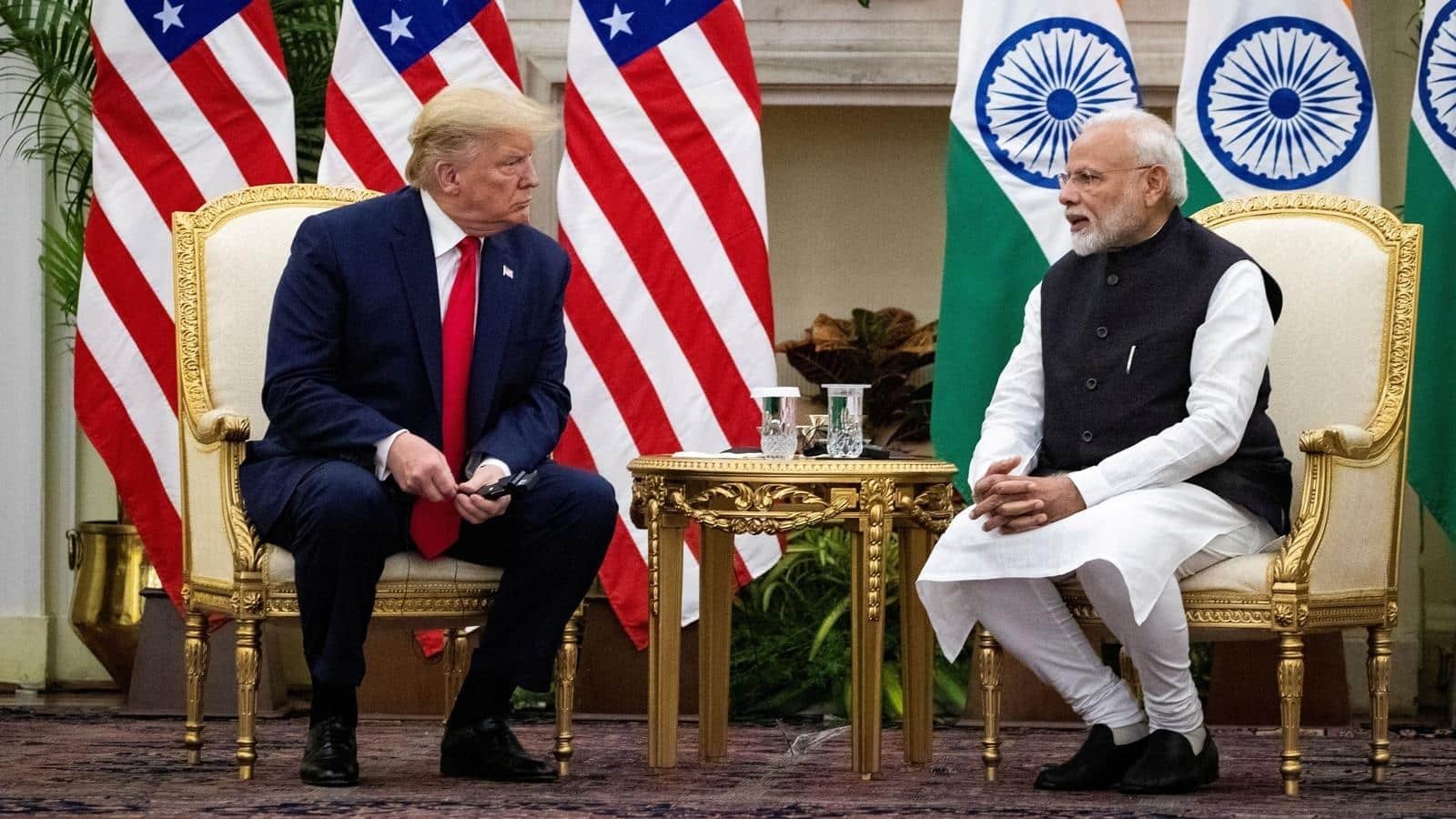
India’s energy concerns and trade negotiations with the United States have received a potential boost after US President Donald Trump waived key Russia-related sanctions and tariff measures, according to a Reuters report published on October 19, 2026.
The decision could ease pressure on India’s energy policy and create more room for trade negotiations between New Delhi and Washington. However, a final India–US trade agreement has not yet been announced.
What Has the US Decided?
Reuters reported that an executive order issued by Trump on Friday waived key Russia-related sanctions and tariffs that were due to take effect this week under legislation known as the Graham Act.
The measures could have exposed Indian goods to tariffs of up to 100% because India is among the world’s major importers of Russian oil.
Trump said the waiver was in the national interest of the United States. The decision also comes amid continuing discussions between the two countries on trade, energy and wider bilateral cooperation.
Why Is Russian Oil Important to India?
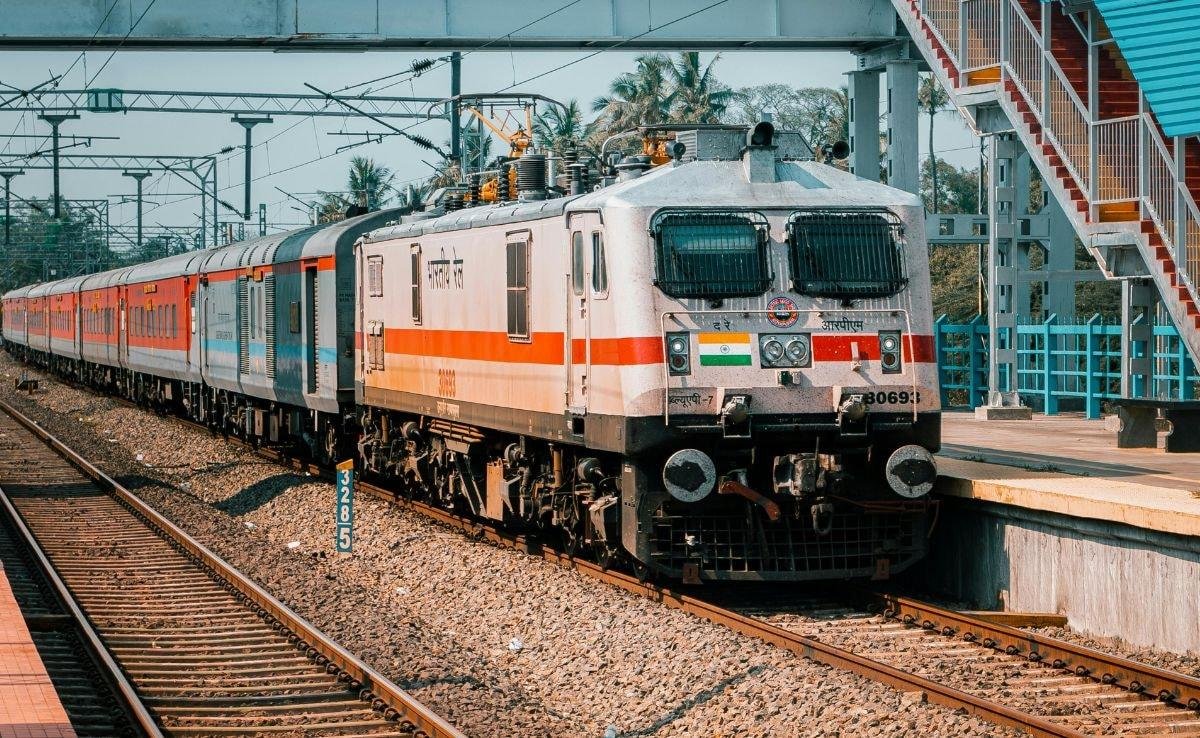
India is one of the world’s largest oil importers and consumers. Russian crude became a significant part of India’s oil imports, helping the country diversify its sources of energy.
Reducing purchases of Russian oil can create challenges because alternative supplies may come with different prices, transportation costs and supply arrangements.
Reuters reported that Russian oil accounted for nearly half of India’s oil imports earlier in 2026, although purchases had declined in August and continued to fall.
The potential impact of sanctions and tariffs therefore extends beyond diplomacy. Changes in oil sourcing can affect import costs, energy security and government finances. Any effect on retail petrol or diesel prices would depend on several factors, including international crude prices, exchange rates, refining costs and domestic pricing decisions.
Could India and the US Finalise a Trade Deal?
US Secretary of State Marco Rubio said on October 19 that the two countries were close to finalising a trade agreement. He also indicated that trade negotiations were among the considerations surrounding the waiver.
Rubio was scheduled to visit India for discussions with External Affairs Minister S. Jaishankar on bilateral cooperation, including energy, trade, investment and defence.
The proposed agreement has been under discussion for months. Reuters reported that tariff concerns and a US trade investigation involving several countries, including India, had contributed to delays.
The waiver could improve the atmosphere for negotiations, but it does not itself establish the terms of a trade agreement. Details such as final tariff rates and implementation arrangements would depend on the outcome of the talks and any formal announcement.
What Could This Mean for Indian Businesses?
A more stable trade relationship with the United States could help businesses plan exports and investment with greater certainty.
Potentially affected sectors include manufacturing, energy and companies involved in international trade. However, the actual benefits will depend on the final terms of any agreement and the products covered.
Businesses should not assume that existing tariffs have been permanently removed or that new export benefits are already available. Exporters should check official notifications and the applicable tariff rules before making commercial decisions.
What Should Consumers Watch?
The waiver may ease one source of uncertainty surrounding India’s oil supplies, but it does not guarantee an immediate reduction in fuel prices.
Consumers should watch international crude oil prices, the rupee’s exchange rate and official domestic fuel-price announcements. Developments in India–US trade talks may also influence business sentiment and investment expectations.
Conclusion
The US decision to waive key Russia-related sanctions and tariff measures could give India additional flexibility on energy sourcing and improve the environment for trade negotiations.
The next important development will be whether India and the United States announce a formal trade agreement and clarify its terms. Until then, the waiver should be viewed as a diplomatic and economic development—not as confirmation that a final trade deal has been completed.