India’s Ethanol Blending Programme Faces Agricultural Supply Challenges
India’s ethanol blending programme is an important part of its efforts to reduce dependence on imported crude oil and diversify transportation fuel sources.
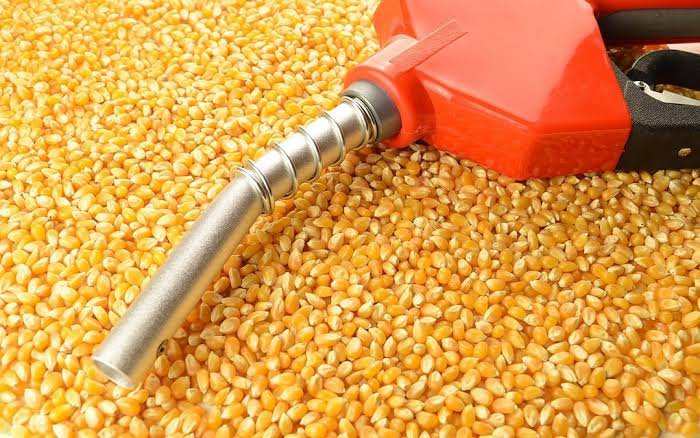
Ethanol can be produced from agricultural materials such as sugarcane and maize. Blending ethanol with petrol can help reduce the quantity of conventional petrol required.
Why Ethanol Blending Matters
India imports a significant amount of its crude oil requirements. Domestic ethanol production offers an alternative source of fuel components and can support agricultural value chains.
The programme also creates potential markets for agricultural producers and ethanol manufacturers.
Agricultural Supply Challenges
A Reuters report published on November 4, 2026, highlighted challenges arising from reduced monsoon rainfall and pressure on crops such as maize and sugarcane.
According to the report, agricultural supply constraints could affect the pace of ethanol blending. It also noted the government’s focus on balancing food security and fuel requirements.
Balancing Food and Energy Security
Agricultural resources have several competing uses, including food production, animal feed and industrial applications.
Policymakers therefore need to consider agricultural availability, farmer income, food prices and energy requirements together.
Conclusion
India’s ethanol policy demonstrates the connection between agriculture, energy security and economic planning. A sustainable approach requires reliable agricultural supplies and careful resource management.